

In a startling and tragic development, researchers have now confirmed what many feared: a person has died from a rare allergy to red meat triggered by a tick bite. This condition, called alpha-gal syndrome (AGS), has long been linked to the bite of the Lone Star tick. Until recently, cases produced symptoms that were alarming but not fatal — until now.
What Happened
- The victim was a 47-year-old airline pilot from New Jersey, previously healthy, who died in September 2024 after eating a hamburger at a family barbecue.
- He had experienced a similar, severe reaction just two weeks earlier during a camping trip, when he ate a steak. In that episode, he woke in the night with intense abdominal pain, vomiting, and diarrhea — symptoms that felt like food poisoning or a stomach bug.
- After the fatal event, his family pursued further investigation. Post-mortem blood tests revealed extremely high levels of the molecule tryptase (a marker of severe allergic reaction), and antibodies to alpha-gal, the sugar found in mammalian meat.
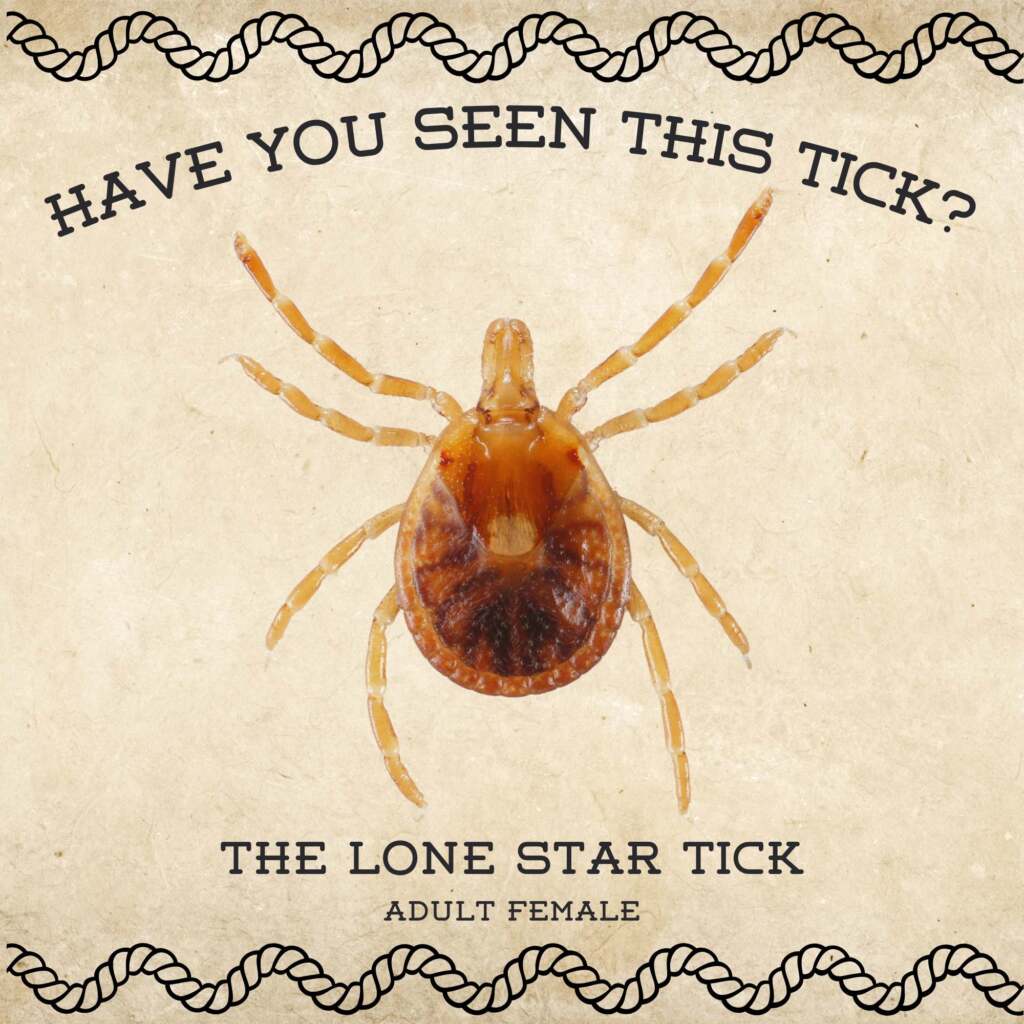
- His wife also noted that earlier that summer, he had gotten what they thought were “chigger” bites — actually likely larvae of Lone Star ticks.
- The death was initially ruled “sudden unexplained,” and only after the wife and a pediatrician friend looked into things did they connect the dots to AGS.
What Is Alpha-Gal Syndrome?
- AGS is an allergy not to proteins, but to a sugar molecule called galactose-α-1,3-galactose (alpha-gal), which is found in many mammals (like cows, pigs, and lamb).
- When a person is bitten by certain ticks — especially the Lone Star tick — the tick’s saliva can introduce alpha-gal into the person’s body. Over time, this can sensitize the immune system.
- Once sensitized, consuming red meat (or other mammalian products) can trigger a delayed allergic reaction — often 3 to 6 hours later.
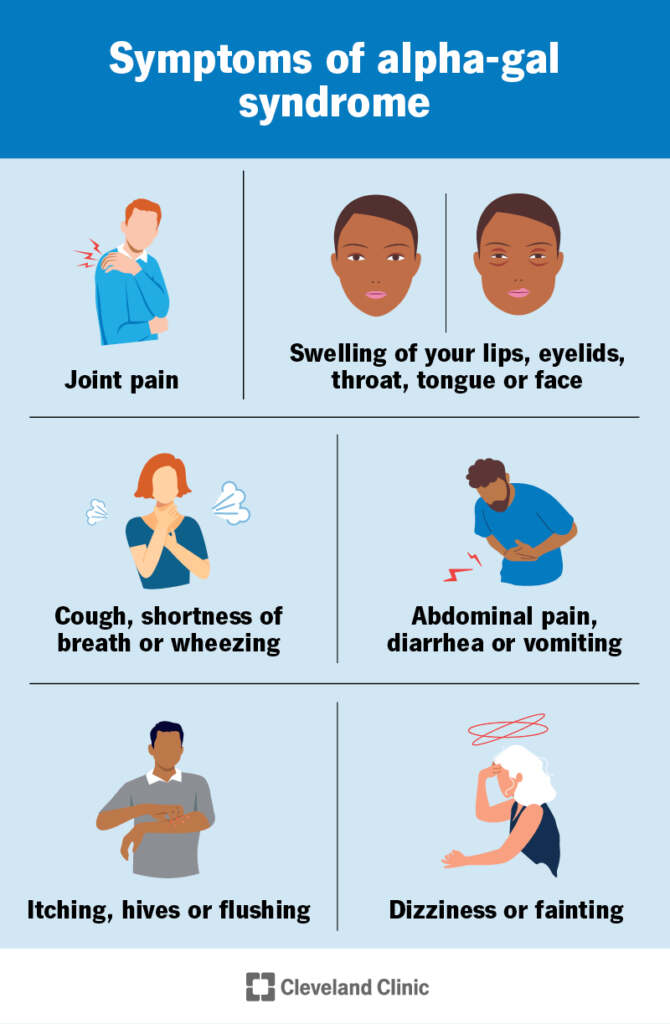
- Symptoms can include stomach cramps, nausea, vomiting, diarrhea, hives, difficulty breathing, swelling, and in rare cases, anaphylaxis.
Why This Case Is So Important
- First Documented Death
This is believed to be the first confirmed fatality from AGS. While severe reactions were known, no prior death had been conclusively linked to this condition. - Underdiagnosed Risk
Experts say that many doctors are still unfamiliar with alpha-gal syndrome. Because the reaction is delayed and symptoms can mimic other illnesses (like food poisoning), AGS may be under-recognized. - Environmental Factors at Play
The Lone Star tick’s population is expanding, partly due to climate change and shifts in deer populations (deer are a primary host). This potentially places more people at risk in regions where the tick was previously less common. - Preventability
Some contributing factors in this man’s case may have made the reaction worse: he reportedly drank a beer earlier in the day, exercised, and had exposure to ragweed pollen — all of which could have heightened his allergic response.
According to the researchers, more awareness could help prevent tragic outcomes like this.
What We Can Learn & Do
- Public Awareness Is Key: People who live in or visit areas where Lone Star ticks are common should know about AGS. If you experience sudden abdominal pain or other allergic symptoms hours after eating red meat, it’s worth mentioning to your doctor.
- Tick Bite Prevention: Since tick bites trigger the syndrome, reducing exposure to ticks is an important preventive measure: use repellent, wear protective clothes, check for ticks after being outdoors, etc.
- Medical Training: More doctors (especially in primary care) should be educated about AGS so they can recognize and test for it. According to the researchers, looking into cases of “sudden unexplained” illness after meat consumption could be life-saving.
- Research & Monitoring: Continued research is crucial. This first death is likely not the last unless more is done to monitor, educate, and prevent.
Final Thoughts
This tragic case is a sobering reminder that emerging allergies — especially those linked to environmental factors like tick bites — can have serious real-world consequences. It underscores the importance of paying attention to our interactions with nature, understanding how our immune systems can change, and staying alert to new medical risks.