

Emotional influences on eating behavior are a powerful force behind the way people eat, often determining food choices, portion sizes, and meal timing more strongly than physical hunger. Eating is not only a biological response to the body’s need for energy; it is also a psychological and emotional experience shaped by feelings, mental health, past experiences, and social context. Understanding how emotions influence eating is essential for improving nutrition, preventing diet-related illnesses, and developing healthier long-term eating habits.
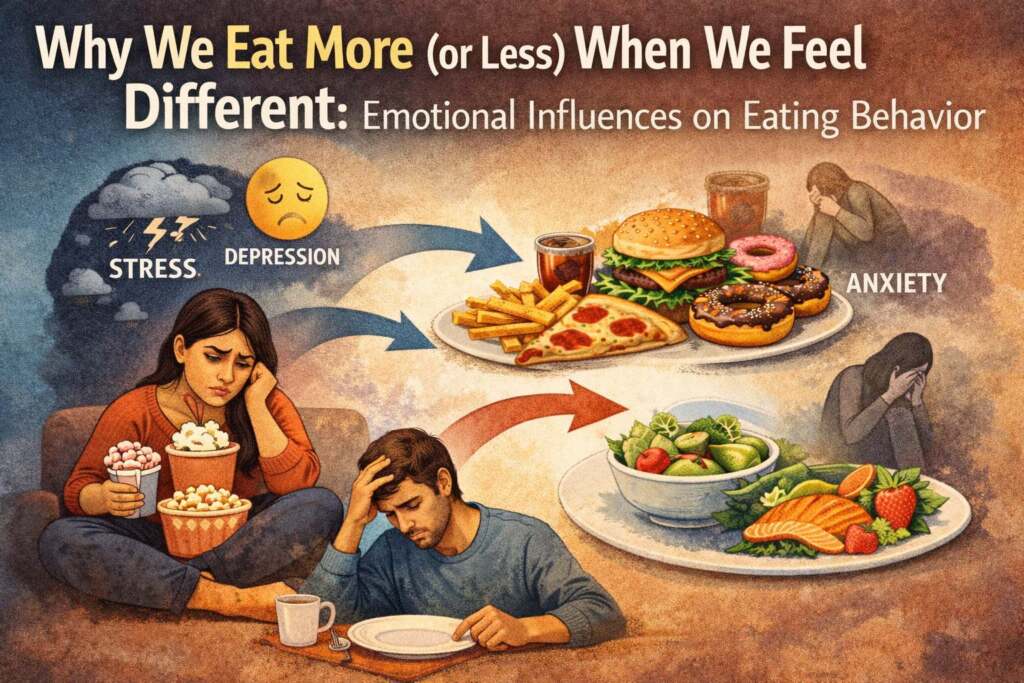
Emotions such as stress, sadness, loneliness, boredom, and even happiness can significantly alter eating behavior. During emotional distress, many people turn to food for comfort, using eating as a way to cope with difficult feelings. This type of eating is driven by emotion rather than hunger and often involves foods that are high in sugar, fat, or salt. These foods stimulate reward pathways in the brain, creating a temporary sense of relief or pleasure. As a result, emotional influences on eating behavior can lead to overeating even when the body does not physically need food.
In contrast, some emotional states reduce appetite and food intake. Anxiety, fear, grief, or intense sadness can suppress hunger by affecting digestion and disrupting normal appetite signals. Individuals experiencing these emotions may skip meals or eat very little without realizing the potential health consequences. When emotional influences on eating behavior lead to undereating, the body may not receive enough energy or essential nutrients, which can weaken physical health over time.
Stress plays a particularly important role in emotional influences on eating behavior. When stress becomes chronic, the body releases cortisol, a hormone that increases appetite and cravings for high-energy foods. Stress also impairs concentration and decision-making, making it harder to plan balanced meals or resist unhealthy food choices. However, stress does not affect everyone in the same way. While some people eat more when stressed, others experience a complete loss of appetite, especially when stress is linked to fear or uncertainty. These differences highlight the complex relationship between emotions and eating.
Mental health conditions further intensify emotional influences on eating behavior. Depression is often associated with low motivation, fatigue, and loss of interest in food or meal preparation. This can result in irregular eating patterns, skipped meals, or dependence on convenience foods with low nutritional value. Anxiety disorders may cause stomach discomfort, nausea, or irregular eating times, all of which interfere with healthy food intake. Over time, these emotional and psychological challenges can contribute to nutrient deficiencies and worsen overall health.
The way people think about themselves and their bodies also shapes emotional influences on eating behavior. Negative body image and low self-esteem may lead to restrictive eating, extreme dieting, or cycles of overeating followed by guilt. These behaviors are often emotionally driven and disconnected from the body’s natural hunger and fullness cues. In contrast, positive emotional well-being supports mindful eating, allowing individuals to respond to hunger signals and maintain a balanced relationship with food.
Social and environmental factors interact closely with emotional influences on eating behavior. Eating in social settings often encourages larger portions and increased food intake, particularly during celebrations or gatherings. Cultural traditions and social expectations also shape emotional connections to food. At the same time, social isolation can reduce appetite and decrease motivation to prepare nutritious meals. Media and food advertising further influence emotions by promoting highly palatable foods and reinforcing emotional eating habits.
In conclusion, emotional influences on eating behavior explain why people eat more or less when they feel different. Eating patterns are shaped by emotions, mental health, personal experiences, and social environments rather than hunger alone. Addressing emotional well-being alongside nutrition education is essential for promoting healthy and sustainable eating habits. By recognizing how emotions affect food choices, individuals and health professionals can develop more effective strategies to support both physical and mental well-being.